
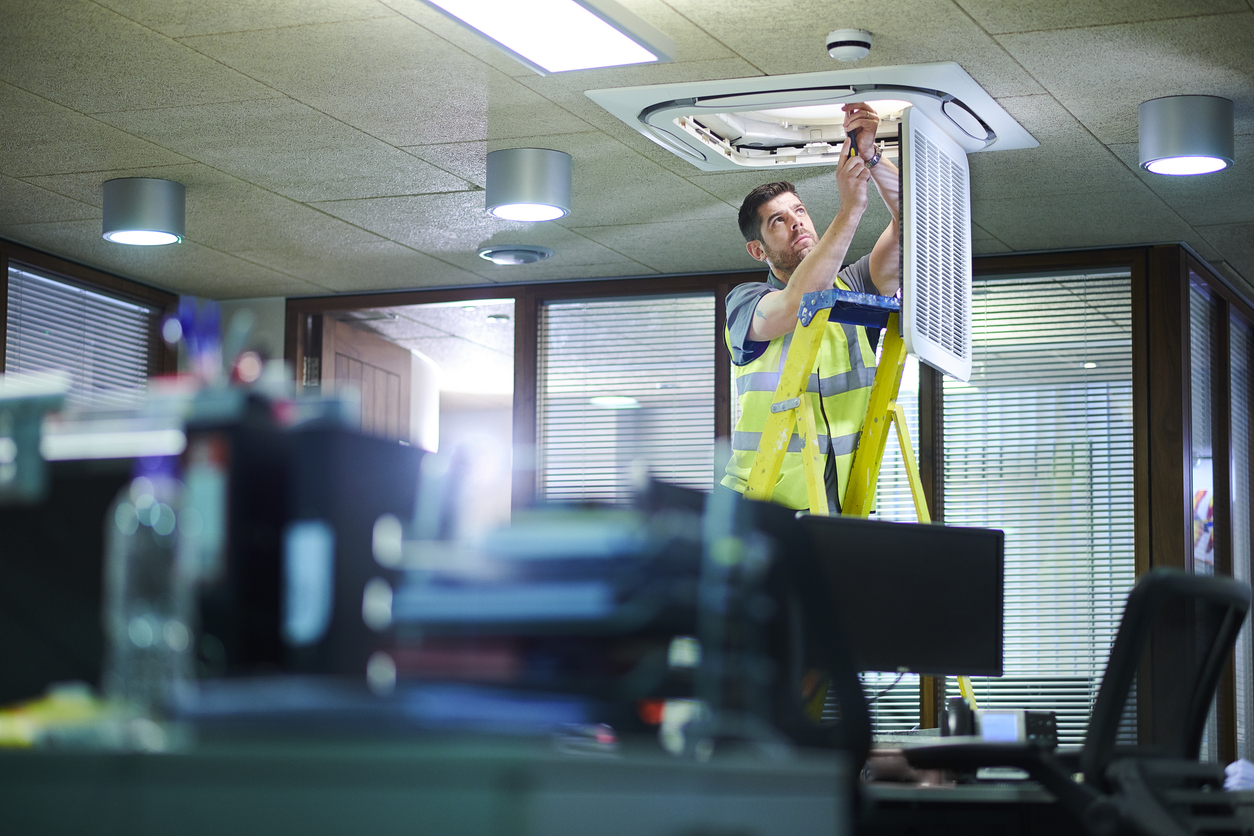
Consider an HVAC contractor that completes an installation and moves on to the next project. Months later, building occupants begin reporting headaches and breathing problems. A claim follows, along with more than $250,000 in defense costs. The contractor followed manufacturer specifications, yet environmental allegations still created a serious liability exposure.
The challenge is that environmental claims do not always stem from obvious pollution events. They can arise from routine construction operations, including excavation, fuel storage, demolition, equipment operation, stormwater runoff, and mold-related incidents — even long after the work is completed. While many contractors assume their standard contractors insurance coverage will address these situations, policy limitations and exclusions can leave them exposed to significant defense costs and liability.
Environmental Risks Exist on Nearly Every Job Site
Pollution claims are not limited to chemical manufacturers, industrial facilities, or large environmental contractors. Environmental exposures can arise from construction operations performed every day by general contractors, specialty trades, and artisan contractors, including:
- Excavation and site preparation contractors
- HVAC contractors
- Demolition contractors
- Painting contractors
- General contractors
- Environmental and remediation contractors
- Specialty trade contractors working around water, fuel, chemicals, or hazardous materials
Common risks include:
- Fuel or hydraulic fluid spills from vehicles and equipment
- Dust, debris, or contaminants that migrate to neighboring properties
- Mold resulting from water intrusion during construction or renovation
- Disturbance of asbestos, lead, or other hazardous materials
- Improper disposal of construction waste
- Stormwater runoff that carries sediment, concrete washout, fuels, or chemicals into nearby waterways
While many of these incidents may seem minor, the resulting costs can be significant. Cleanup expenses, third-party bodily injury claims, property damage allegations, regulatory investigations, project delays, and legal defense costs can quickly escalate following a pollution-related event.
Pollution exposures can become even more complex when multiple parties are involved in a project. Contractors may face liability arising from subcontractors’ actions, site conditions, waste-disposal activities, or pollutants released during routine construction operations. A single incident can simultaneously trigger cleanup obligations, legal expenses, and third-party claims.
What Contractors Pollution Liability Insurance Covers
Pollution exclusions in commercial general liability (CGL) policies can leave contractors responsible for substantial uninsured costs. As such, contractors pollution liability (CPL) coverage has become an increasingly important component of comprehensive contractors insurance programs.
While coverage varies by carrier and policy form, CPL is designed to address environmental exposures that may fall outside the scope of standard liability policies, such as:
- Environmental cleanup and remediation costs
- Third-party bodily injury claims arising from pollution incidents
- Property damage caused by the release of pollutants
- Mold-related claims
- Transportation-related pollution incidents
- Emergency response expenses following a covered pollution event
For brokers, discussing CPL coverage helps ensure that environmental exposures arising during or after construction are included in the placement conversation. Helping contractors understand what their existing policies do and don’t cover can lead to more informed risk-management decisions and help address potential coverage gaps before a claim occurs.
Making Pollution Coverage Easier To Offer
Even when brokers recognize a pollution exposure, obtaining pricing has historically been a challenge. Contractors often need answers quickly while bidding on projects, reviewing contract requirements, or finalizing insurance submissions. Waiting days for an indication can mean missed opportunities to address an important coverage gap.
Through Cochrane & Company’s Contractors Pollution Liability portal, brokers can obtain bindable CPL quotes in minutes for eligible accounts. Whether a contractor is preparing a bid, reviewing insurance requirements, or sitting across the desk asking questions, brokers can quickly provide pricing and coverage options as the conversation unfolds.
The program offers access to standalone pollution coverage solutions with features that may include mold coverage, transportation pollution liability, emergency response expenses, cleanup costs, and limits up to $5 million for eligible risks.
Protecting Contractors From Pollution-Related Coverage Gaps
CPL coverage closes a potentially material coverage gap while strengthening contractors insurance programs. Discussing pollution risks before a claim occurs helps contractors understand where coverage begins, where it ends, and where gaps may exist.
Cochrane & Company’s Contractors Pollution Liability portal makes it easier to obtain bindable quotes in minutes, helping clients address environmental liability exposures without slowing down the placement process. Review the program highlights, watch the portal demonstration, start a quote online, or connect with the contractor insurance specialists at Cochrane & Company to develop pollution liability solutions for artisan contractors, general contractors, and specialty trades.
FAQ About CPL Claims
Who needs CPL insurance?
Any contractor whose operations could result in pollution-related claims should consider CPL coverage, including general contractors, HVAC contractors, excavation contractors, demolition contractors, painters, and other specialty trades.
What are the environmental risks of construction?
Construction projects can create a variety of environmental exposures, including fuel and chemical spills, dust and debris migration, mold and water intrusion, asbestos or lead disturbance, improper waste disposal, and stormwater runoff. Even relatively small incidents can result in cleanup costs, third-party claims, regulatory action, and project delays.
What does a contractor’s pollution policy cover?
CPL coverage helps address environmental liabilities that may not be covered by a standard commercial general liability policy. Depending on the policy, coverage may include environmental cleanup costs, third-party bodily injury claims, property damage, mold-related claims, transportation pollution incidents, legal defense expenses, and certain emergency response costs.
About Cochrane & Company
For more than six decades, Cochrane & Company has been proudly at the forefront of the insurance industry. Our experience has enabled us to innovate in powerful ways, reimagining the E&S market, and providing technology solutions that make it easy to do business with us. Licensed in all 50 states, we proudly serve clients across the nation, providing personalized and powerful solutions to help you become an even better partner for your clients. Speak to one of our experienced professionals today by calling (855) 967-0069.